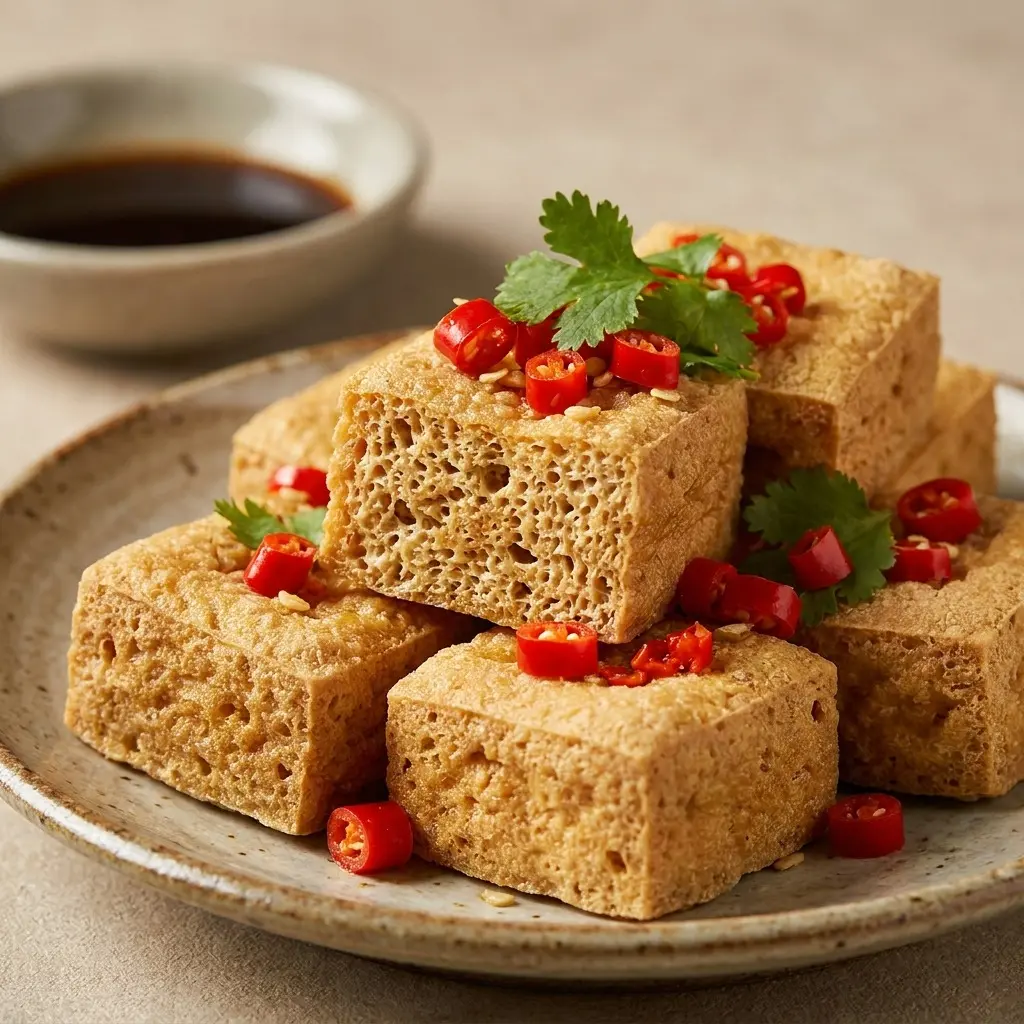
Stinky Tofu: The "Black Gold" of Changsha Streets
As a born-and-bred Changsha girl, I have to tell you: if you haven't tried Stinky Tofu, you haven't truly visited Changsha. This crispy, juicy, and spicy 'Black Gold' holds the very soul of our city.
Contact Me
Want a clearer trip plan from a real local perspective?
Reach out when you want local, honest, and practical help choosing cities, fixing pacing, checking transport, or avoiding common first-time mistakes.
For privacy, contact details stay behind the buttons and are never shown as public text on the site.
Don't Let the Smell Scare You: It's Our Black Gold
If you're walking the streets of Changsha for the first time, you'll likely smell it before you see it. Many newcomers describe the scent as... well, challenging. Some even joke it's a 'biochemical weapon.' But listen to me, a local: that smell is the scent of home. It's a deep, fermented aroma that becomes incredibly addictive once you take the first bite. The black color isn't dye; it comes from a traditional brine made of winter bamboo shoots, mushrooms, and fermented soybeans. It's not just a change in color; it's a glorious transformation of protein. When you stand in front of the frying vat, watching those black cubes sizzle and puff up in the boiling oil, all your prejudices will vanish. The crust becomes as crispy as a mirror—you can almost hear the tiny cracks as it fries. And when you bite through that 'Black Gold' shell, you find a heart as soft and tender as a cloud. This extreme contrast is a perfect metaphor for us Changsha people: tough on the outside, but incredibly warm and soft on the inside. Trust me, close your eyes and take a bite. You'll discover a whole new world. As a local blogger, I love the ritual of finding a steaming stall in a dark alley by following that bossy aroma. You see the black squares dancing in the oil, the vendor flipping them with metal tongs with practiced ease. Every second of waiting is a test of willpower. That blackness is deep and confident. It doesn't need fancy packaging; just a pot of hot oil to release its charm. This is Changsha—a city that values soul over appearance. Once you hold that hot bowl, you'll realize this flavor is now etched into your memory forever.
The Soul is in the "Heart-Piercing" Juice
The biggest mistake you can make is chewing Stinky Tofu dry. The authentic way is all about the 'drilling and filling.' Watch the vendor: they use small tweezers to poke a hole right in the center of the freshly fried, steaming tofu. That poke is a gateway for the soul. Then, a spoonful of sauce—made from secret chili oil, garlic water, cilantro, and most importantly, a rich soup base—is poured into that hole. The honeycomb-like interior of the tofu acts like a sponge, soaking up every drop of that spicy, savory liquid. My favorite moment is putting the whole piece in my mouth and closing my teeth—*splash!* The hot juice explodes in your mouth! It's a carnival of garlic, soy, spice, and umami. That burst of flavor is something no other snack can give you. You must eat it while it's hot; let the heat, the spice, and the crunch weave together on your tongue. Don't worry about getting your face messy; you'll want to lick every drop of chili oil off your fingers. That's the charm. I have to remind you: the chili in that sauce must be the local variety, fermented with a bit of sour-spicy kick. Only this kind of chili can perfectly balance the richness of the fried tofu. You'll find that by the time you finish a bowl, your forehead is slightly damp with sweat. That feeling of 'transparency' is exactly how we Changsha people approach life: spicy, direct, and never dragging our feet. This flavor is a mysterious power that wakes you up when you're down and makes you even more passionate when you're up. It's not just filling your stomach; it's charging your soul.
Black vs. Yellow: Why We Only Trust the Black
While traveling, you might see yellow stinky tofu, like the kind from Shaoxing. But in the eyes of a Changsha local, only this ink-black 'Chou Gan Zi' is the true god. This blackness represents the depth of fermentation and the thickness of flavor. Yellow versions are usually milder, even slightly sweet, which we find 'temperless.' Changsha people are straightforward and fiery; our food must have character. This black tofu spends a long time in brine, absorbing the essence of herbs and spices, giving it a deep, earthy fragrance. This flavor is a perfect match for the 'Eat Bitterness, Stand Hardship, and Be Tough' spirit of Hunanese people. The impact of the spice and garlic is both a challenge and a reward. In Changsha, stinky tofu isn't just a snack; it's an attitude. If a piece of tofu doesn't make you sweat and gasp with joy, it doesn't deserve the name. This black is our proud base color, the shade every Hunanese person abroad dreams of. Behind this blackness is a fermentation process that takes dozens of days—it's an art of time. It proves that the most delicious things often require the most patient waiting. As a local blogger, I hate the 'fast-track' black tofu made with dyes; that black is dull and lifeless. Only true brine-soaked black has a warm, oily glow. When you bite it open and see the snow-white heart, that sharp contrast is like our worldview: clear-cut, with strong loves and hates. This bite of black is our deepest emotional connection to this city.
Street Vibe: Our Childhood Memories
To me, the sound of stinky tofu is the background music of Changsha. As a kid, the thing I looked forward to most was hearing the intermittent cries of the vendor or the 'dang-dang' sound of metal tongs hitting the side of the oil vat. Back then, if I had a few cents in my pocket, the first thing I'd do was run to that smoky stall. My friends and I would huddle around the oil, eyes glued to the tumbling black squares; the anticipation was stronger than any fancy meal. Stinky Tofu is the hero of Changsha streets. It doesn't need fancy decor or expensive plates. A simple paper bowl and two bamboo skewers are enough to carry the joy of the whole city. Whether it's a businessman in a suit or a student just out of school, everyone is equal in front of a stinky tofu stall, infected by the atmosphere of sweating and eating happily. This isn't just food; it's an emotional bond. It's a comfort when you're down and a celebration when you're with friends. This is Changsha—a steaming, vibrant city, and stinky tofu is its most honest miniature. I often wander into the old quarters to find those stalls that have been there for decades. You see the vendor's calloused hands, moving with rhythm and respect. That persistence in flavor is actually a respect for life. Every piece of stinky tofu carries the laughter and tears of countless locals. Even when you're in a fancy shopping district now, holding a beautifully packaged bowl, you'll still miss that childhood taste in the deep alleys, accompanied by the sound of cicadas and neighbors chatting. That is the root of Changsha, the nostalgia we can never leave behind.
Plan With A Local
Need help turning all this research into a real itinerary?
Tell me your dates, budget, pace, or must-see places. I can help you narrow routes, avoid weak choices, and build a more confident plan.
For privacy, contact details stay behind the buttons and are never shown as public text on the site.
Practical Information
- SpicinessUsually very high. If you can't handle heat, ask for "Wei La" (mild), but locals go for "Zhong La" (extra spicy).
- Price10-15 RMB per bowl (6-8 pieces). It's the best value for joy you'll find.
- Where to GoFire Palace (Huo Gong Dian) is the most famous, but I recommend finding stalls with long queues in Taiping Street or Nanmenkou alleys.
- Local TipBuy a cup of "Sexy Tea" (Cha Yan Yue Se) after eating; the sweet milk tea is a lifesaver for your numbed tongue!
- Contact Me
Need help with this part of the trip? Use the private WhatsApp or Email buttons on this page for a personal reply.
Need local help with this page?
Ask for route advice, timing suggestions, or a quick sanity check before you book.
For privacy, contact details stay behind the buttons and are never shown as public text on the site.