Hunan Ciba: Warmth and Sweetness in Your Hands
It's the joy of harvest and the taste of reunion. Born from heavy hammering, Ciba (Sticky Rice Cake) carries the best expectations of Hunanese people for life.
Contact Me
Want a clearer trip plan from a real local perspective?
Reach out when you want local, honest, and practical help choosing cities, fixing pacing, checking transport, or avoiding common first-time mistakes.
For privacy, contact details stay behind the buttons and are never shown as public text on the site.
Power Under the Hammer: Transformation from Field to Table
If you've experienced making Ciba in a Hunan village, you'll remember that primitive power. It's not just cooking; it's a physical competition. High-quality sticky rice is steamed and poured into a massive stone mortar, where two men take turns swinging heavy wooden mallets. With every dull thud, the rice grains gradually break down and merge under heavy pressure. It's a process of turning hardness into softness; the fragrance of the rice milk fills the air. Until all grains disappear, it becomes a snow-white, highly elastic, and extremely sticky 'artpiece.' This toughness tempered by a thousand blows is something no machine can replace. I'm obsessed with this primitive handwork. You see sweat running down faces and feel the deep emotion for the land. In Hunan, Ciba represents hard work and unity—only by working together can the softest deliciousness be made. Every bite of Ciba hides sweat and the joy of harvest, a sweet reward from the mountains to the workers. This modification of ingredients shows the deep cooperation between humans and nature. This power is infectious; it makes you understand that the most delicious things need the most hard work. When that white rice tumbles in the mortar, that visual satisfaction is the best prelude to winter memories. It tells us life is solid and needs to be 'hit' out.
Brown Sugar and Bean Powder: The Golden Armor of Sweetness
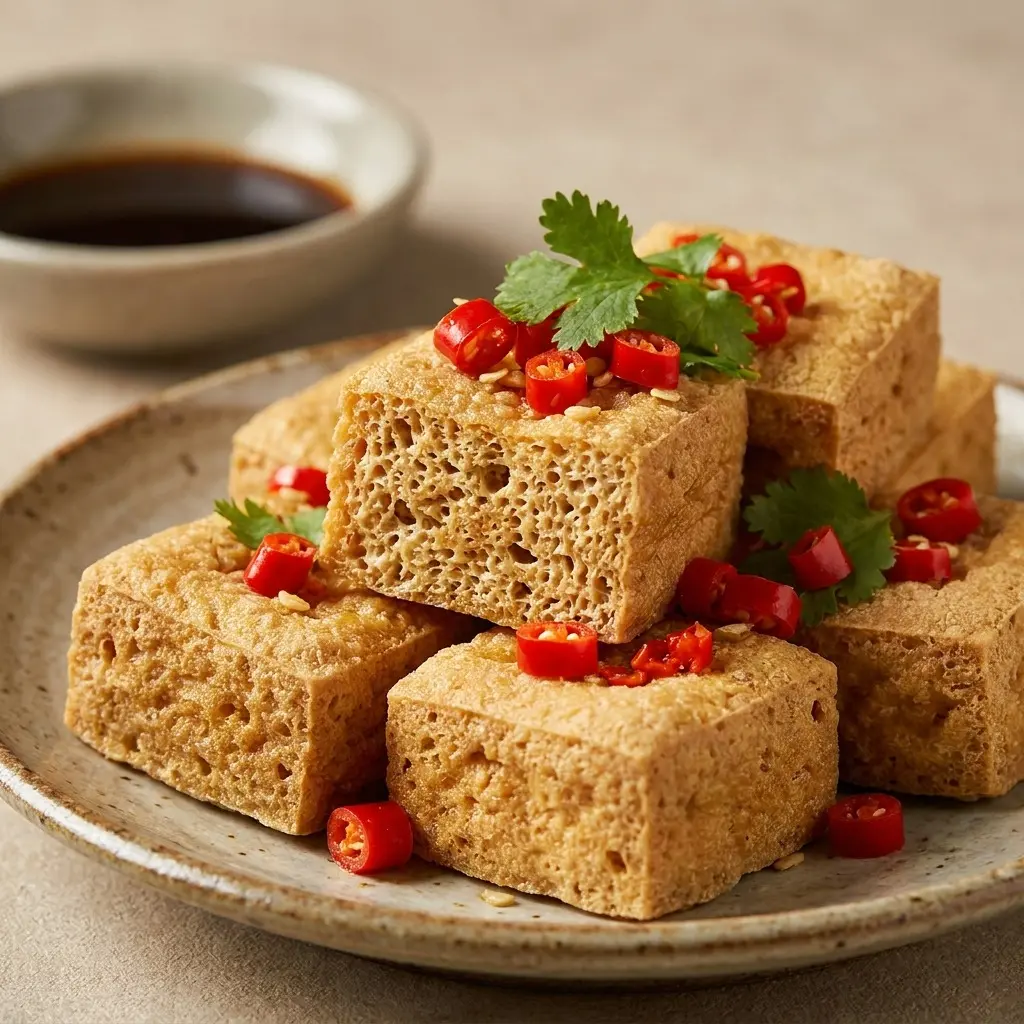
While fresh Ciba dipped in sugar is good, the classic way is fried. Cut the white Ciba into strips or blocks and fry them slowly in warm oil. Watch them expand and turn from snow-white to golden. The fried Ciba has a paper-thin crispy shell that cracks when you bite, but the inside keeps that amazing elasticity and softness. The key step is coating it in a thick layer of freshly ground soybean powder and then drizzling rich brown sugar syrup. The soybean powder's toasted aroma balances the richness, and the deep sweetness of the brown sugar gives Ciba its soul. This 'gold, white, deep red' color combo is not just pretty but a perfect taste trio. I suggest focusing on the moment the syrup flows down the cake—a healing visual feast. You'll find this sweetness is layered; the dry aroma of the bean powder and the moisture of the brown sugar collide for a harmonious joy. This pursuit of texture shows the professional and passionate attitude of Hunanese people towards snacks. It's not just a dessert; it's a reward for life. When you finish, that lingering feeling is the most charming part. This flavor is solid, giving you instant happiness. This is the charm of sticky rice: using the softest way to dissolve all your hardness.
Winter Fire Pit: The Warmth Smoked by Charcoal
In our childhood memories, the warmest image is the winter fire pit. A family huddles around the fire, burying several dry Ciba in the ash. With the charcoal's warmth, the Ciba will slowly puff up like a balloon. Tear off the slightly charred skin to find the steaming inside. That taste of charcoal aroma and rice fragrance is something no fancy restaurant can replicate. Everyone shares it, gasping from the heat and laughing. This warmth of sharing food by the fire pit is the core of Hunan culture. I strongly suggest you go to remote villages to experience this. You'll find happiness can be very simple: a fire pit, a few Ciba, and sitting with loved ones. This compliance with nature and love for family is the gentlest part of our character. You'll see flames jumping in the dark, hearing the wind blow through the pine forest. This extreme peace and warmth can reconnect you to the memories of that innocent era. It's not just a snack; it's a living history, a shared emotion across generations. Wherever you go, remembering that afternoon by the fire pit will find you your inner peace. That's the ultimate meaning: it sticks us to our past and warms our future. It lets us have an eternal, warm nostalgia in a noisy world.
The Footnote of Festivals: The Secret of Sticking to Happiness
In Hunan, Ciba is an essential footnote to festivals. Making Ciba for the New Year symbolizes reunion; giving Ciba to friends means deep friendship. Because Ciba is 'sticky,' we also hope to 'stick to good luck and happiness.' Now in Xiang restaurants, Brown Sugar Ciba is almost a standard dessert to balance the spice of the main dishes. This shows the ancient food has a strong life in modern life. It accompanies every Hunanese person's growth in a silent way. I'm obsessed with this evolution of cultural symbols. You'll find that while the form changes, the expectation for a good life never does. Eating this, you feel not just sweetness but the blessings settled in history. This flavor is stubborn; it won't change for anyone. That's our character: we can stand loneliness and explode with passion. Every piece is an emotional carrier, a bond to the land. If you come to Hunan, after eating those spicy dishes, please order a portion of Ciba. In that softness and sweetness, you'll find that besides toughness, we have an extremely delicate and deep tenderness. This is the sweetest goodbye from this land. Take this memory and continue your journey. You'll find your heart is full of the sunshine and sweetness of Hunan.
Plan With A Local
Need help turning all this research into a real itinerary?
Tell me your dates, budget, pace, or must-see places. I can help you narrow routes, avoid weak choices, and build a more confident plan.
For privacy, contact details stay behind the buttons and are never shown as public text on the site.
Practical Information
- TextureCrispy outside, mochi-like inside, very springy. Sweet with rich bean and rice aroma.
- Eating TipEat it hot! Once it cools, Ciba becomes hard and the texture drops significantly.
- Where to TryOrder as a dessert after a Xiang meal, or buy freshly fried ones in ancient towns.
- Price20-35 RMB in a restaurant, 5-10 RMB on the street.
- Contact Me
Need help with this part of the trip? Use the private WhatsApp or Email buttons on this page for a personal reply.
Need local help with this page?
Ask for route advice, timing suggestions, or a quick sanity check before you book.
For privacy, contact details stay behind the buttons and are never shown as public text on the site.