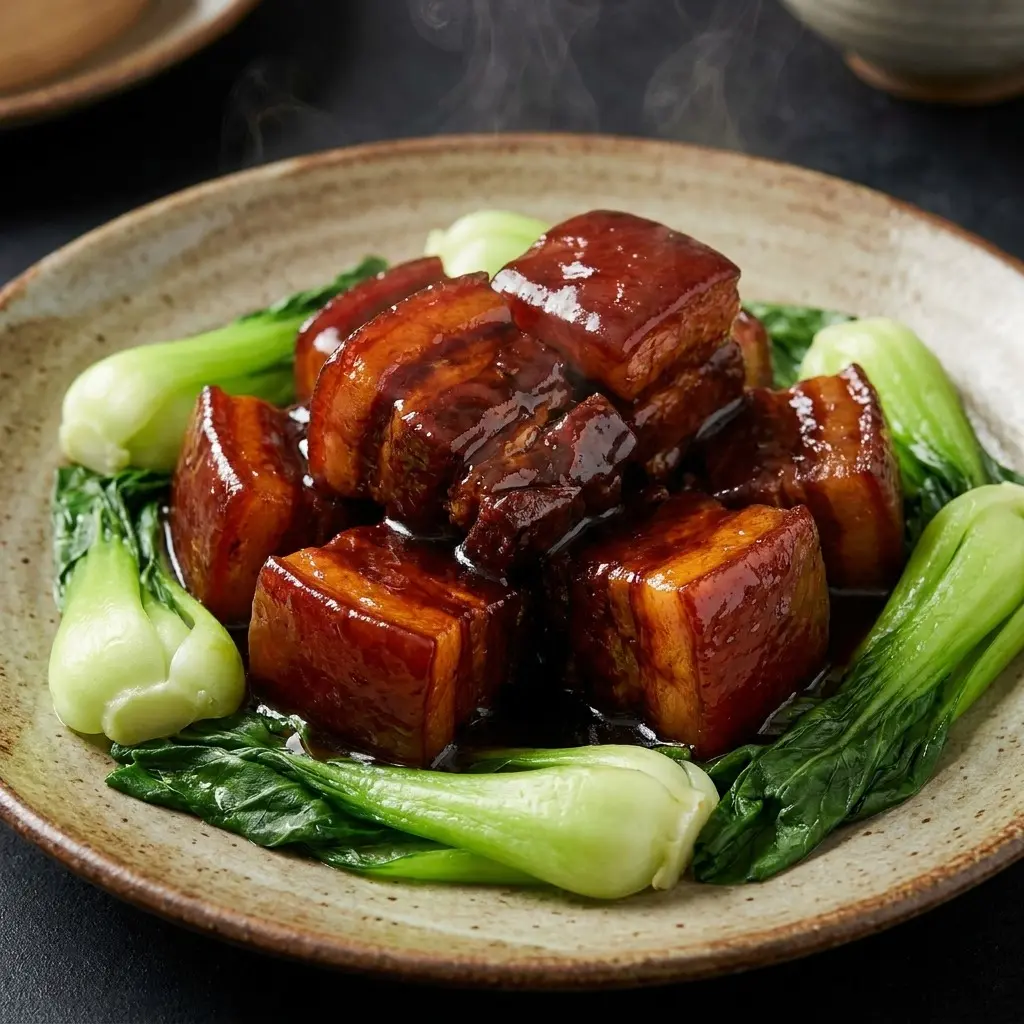
Hunan Cured Meat: The Fragrance of Years Smoked by Fire
It's the art of time and the crystallization of smoke. Every piece of Hunan Cured Meat (La Rou) hides the winter sun of the deep mountains and long-lasting nostalgia.
Contact Me
Want a clearer trip plan from a real local perspective?
Reach out when you want local, honest, and practical help choosing cities, fixing pacing, checking transport, or avoiding common first-time mistakes.
For privacy, contact details stay behind the buttons and are never shown as public text on the site.
Tempering of Time: From Fresh to Eternal
If you walk into a Hunan village in the twelfth lunar month, the most shocking sight is the rows and strings of cured meat hanging densely under the eaves. That's the highest tribute to winter. Making cured meat is a solemn ritual of time. Select high-quality pork belly, marinate it with salt, Sichuan peppercorns, and star anise. But that's just the beginning. The most crucial step is 'smoking.' In Xiangxi, people hang meat strips over a fire pit, slowly smoking them for months with tea shells, pine branches, or even orange peels. The rising blue smoke carries the breath of the forest, slowly penetrating every fiber of the meat, dyeing the originally red pork into a deep reddish-brown or even oily black. This process isn't just for preservation; it's the sublimation of flavor. It locks the memories of the season into the meat, giving perishable ingredients a nearly eternal life. This smoky aroma is the most charming ID card of Hunan cured meat. I love observing the meat by the fire pit. You see the originally fresh meat become tough and deep under the baptism of fire. This isn't just a chemical reaction; it's a kind of cultivation. This flavor is extremely passionate, carrying the breath of the forest and the temperature of the charcoal. It tells us that truly good things need tempering. This modification of ingredients shows the deep cooperation between Hunanese people and nature. Every piece is a gift from the mountains and a masterpiece of time. When you smell that rich smoky aroma, you feel all the cold has vanished, leaving only the most primitive vitality. That's the charm: using smoke to lock the fragrance of years.
Feast of Taste: The Translucent Fat Temptation
Don't be fooled by the dark, hard appearance of cured meat; its true charm is in the pot. When you wash it, boil it, and slice it thin, you'll be amazed to find the originally black fat becomes translucent like amber, and the lean meat shows a deep date-red. The most classic way to eat it is 'Cured Meat Stir-Fried with Garlic Sprouts.' When the meat slices sizzle in the wok, meeting the fresh and crisp garlic sprouts, the instant aroma is lethal. The fat part isn't greasy but has a unique, tough chewiness, like it's dancing on your tongue. That mix of smoke, oil, salt, and fragrance explodes in your mouth, instantly waking up your appetite. If you steam it over white rice, the oil will penetrate every grain with the steam; I can finish three bowls of that rice alone. This is a top delicacy created by nature and time. I strongly suggest focusing on the texture of the oil shimmering in the light. Good cured meat should have semi-transparent fat with a warm glow. This beauty is extremely tempting, challenging your restraint and stimulating your primitive appetite. This flavor has depth; it's not a shallow salt-spice, but carries a heavy sense of time. Every bite is a tribute to the past. This flavor has the magic to make you drool when you think of it late at night. It's the perfect combination of smoke and time, an unshakable classic in Xiang cuisine. Every piece is a tribute to time and sincerity to the diner.
The Coordinate of New Year: A Spiritual Totem
For every Hunanese person, cured meat is the coordinate of 'New Year.' As a kid, seeing the adults start marinating and smoking meat meant the New Year was coming. The jumping flames and swirling smoke by the fire pit are the warmest images of childhood. Even now, when we can buy fancy meat products anywhere, the status of that smoky cured meat in our hearts is unshakable. It's the emotional bond of 'no matter how far you go, when you smell this, you know you're home.' Many young people working in big cities like Beijing or Shanghai often have their luggage filled with home-smoked cured meat. It's more than meat; it's a cultural heritage, a spiritual bridge connecting mountains and cities, past and future. I love exploring 'Cured Nostalgia.' You'll find cured meat has become a marker of Hunanese identity. This flavor is the code to find your kind in a strange city. When you share the meat sent from home with colleagues, you're sharing more than food; you're sharing your story. This persistence in tradition is our weapon against the fast-changing era. This flavor is stubborn; it won't change for anyone. That's our character: we can stand loneliness and explode with passion. Every piece is a family totem, a bond to the land. This persistence makes Hunan cured meat more than a dish; it's a cultural carrier.
Local Secrets of Picking and Cooking
There's a lot of knowledge in eating top-tier cured meat. First, look at the color: good meat is bright red with transparent fat. Second, smell it: it must have a rich smoky and meat aroma, no off-smells. Third, feel the hardness: it should be firm and elastic. Locals have a secret: always boil the cured meat for 10 minutes before stir-frying. This step is crucial; it removes excess salt, softens the hard meat, and washes off the surface ash. When stir-frying, you don't need much salt or even oil; just use the meat's own oil, with chilies, garlic, or dried radish—any simple stir-fry is a masterpiece. I strongly suggest 'Dried Bamboo Shoots with Cured Meat' or 'White Chili with Cured Meat'—the most classic Xiang combos. You'll find the meat oil greatly lifts the freshness of the side dishes. This matching science shows the professional and life-filled attitude of Hunanese people towards food. You see the masters' focus when frying, feeling the ultimate control of heat. This flavor is solid, giving you instant happiness. This is the charm of Xiang cuisine: using simple ingredients to create profound emotion. Every piece of meat is the chef's tribute to time and sincerity. Don't rush to eat; smell that smoke first—you'll find your travel experience has leveled up. This is the authentic way.
Plan With A Local
Need help turning all this research into a real itinerary?
Tell me your dates, budget, pace, or must-see places. I can help you narrow routes, avoid weak choices, and build a more confident plan.
For privacy, contact details stay behind the buttons and are never shown as public text on the site.
Practical Information
- Flavor ProfileSavory and rich with a forest smoky aroma. Fat is Q-elastic and not greasy, lean is firm and chewy.
- Classic PairingsCured Meat with Garlic Sprouts (Most Recommended), Steamed Cured Meat, Cured Meat with Dried Radish.
- Buying GuideXiangxi cured meat is most famous. Found in specialty shops or markets in Changsha; choose those with texture.
- Storage TipHang in a ventilated, cool place or freeze in the fridge; it can last for a year.
- Contact Me
Need help with this part of the trip? Use the private WhatsApp or Email buttons on this page for a personal reply.
Need local help with this page?
Ask for route advice, timing suggestions, or a quick sanity check before you book.
For privacy, contact details stay behind the buttons and are never shown as public text on the site.