Mao's Braised Pork: The Art of a Chairman's Favorite
Coming to Hunan without eating Braised Pork is like walking through a treasure house and leaving empty-handed. This classic dish, with its bright red color and melt-in-the-mouth texture, carries the weight of history and the passion of Hunanese people.
Contact Me
Want a clearer trip plan from a real local perspective?
Reach out when you want local, honest, and practical help choosing cities, fixing pacing, checking transport, or avoiding common first-time mistakes.
For privacy, contact details stay behind the buttons and are never shown as public text on the site.
Glow Like Agate: The Secret of No Soy Sauce
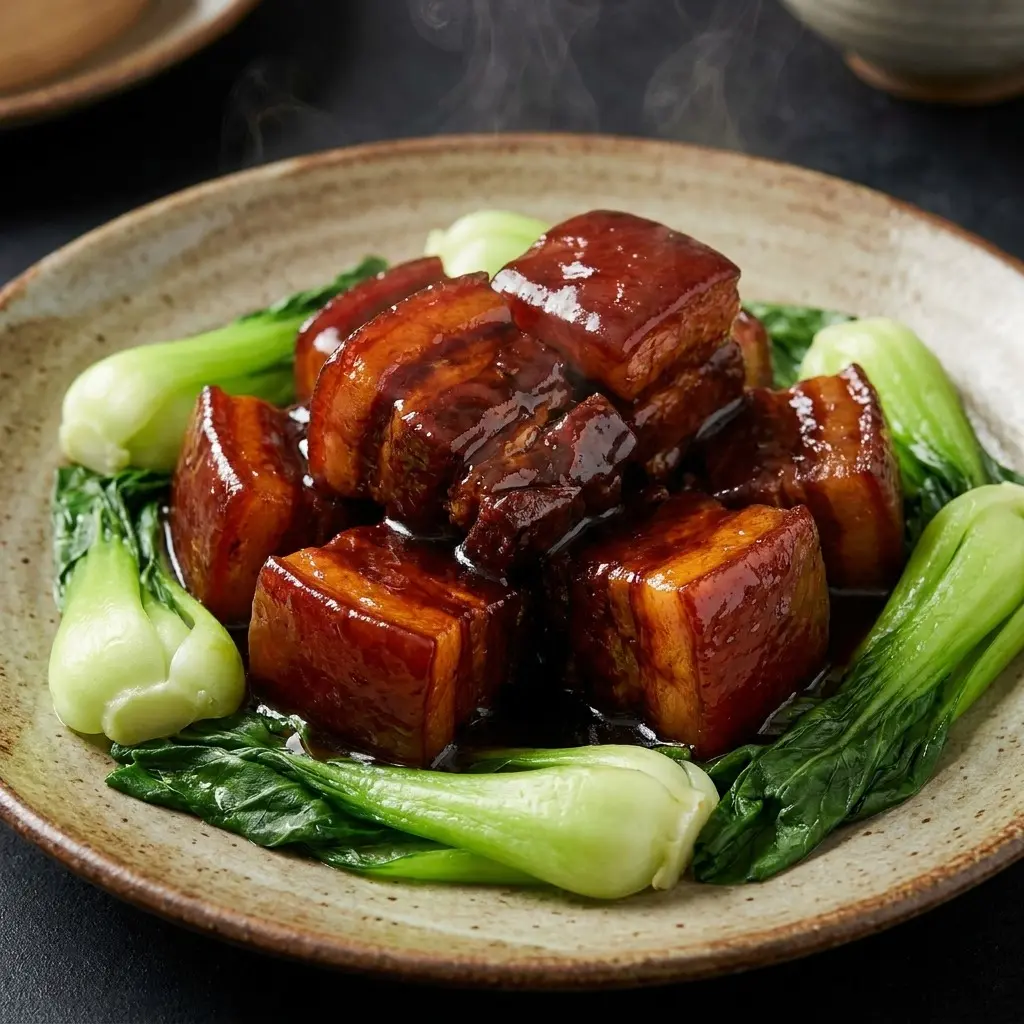
Braised pork is everywhere, but 'Mao's Braised Pork' is the absolute legend in the world of Xiang cuisine. When you first see it, you'll be captivated by its ruby-like, translucent glow. There's a story behind it: Chairman Mao reportedly disliked soy sauce because he found the traditional brewing process untransparent. Thus, authentic Mao's Braised Pork uses zero soy sauce. So where does that inviting red come from? The secret lies in 'sugar coloring.' Chefs must slowly melt rock sugar over a low flame until it turns a deep caramel color, then toss in high-quality pork belly to coat it evenly. This red is the crystallization of natural heat, carrying a faint caramel aroma, bright and never dull. When you pick it up with chopsticks, the meat trembles slightly, shimmering under the light. This red isn't just a visual treat; it's the Hunanese pursuit of purity in food. Without soy sauce, the freshness of the pork and the fragrance of the fat truly shine. I love watching chefs caramelize the sugar in the kitchen. It's an ultimate test of timing—a second too early and the color is weak; a second too late and it turns bitter. This mastery of balance is the essence of Xiang cuisine. Watching the pale meat gradually turn bright red in the pot is incredibly healing. This beauty is grand and historical. It doesn't need flashy garnishes; just that solid plate of braised pork tells you everything about the Hunanese character: honest, direct, and no-nonsense. This bite of red is our best footnote for passion for life.
Melts in Your Mouth: The Ultimate Five-Layer Temptation
The only standard for a great piece of braised pork is: can it be 'rich but not greasy, and melt in the mouth'? Authentic Mao's Braised Pork is extremely picky about its ingredients—it must be 'five-layered pork belly' with alternating fat and lean meat. Cut into perfect squares, each piece looks like it was precisely calculated. After hours of slow simmering, most of the fat has been rendered out, merging into the thick sauce. When you put a piece in your mouth, your teeth barely need to move before the layer of fat dissolves on your tongue like a gentle storm of flavor. Then comes the firm and juicy lean meat, which has absorbed the complex aromas of star anise, cinnamon, ginger, and Hunan dried chilies. That sweet-spicy, savory flavor quickly occupies all your taste cells. At this moment, you absolutely need a bowl of steaming white rice. Drizzle that rich meat juice over the rice; every grain will be coated in pork fragrance. This satisfaction is soul-level. I suggest you try the part with a bit of skin; that layer is simmered until it's incredibly chewy and full of collagen. Don't worry about the calories when eating braised pork; this ultimate taste experience is worth every bit. You'll find the aroma of the fat and the freshness of the meat weave together into a wonderful harmony. This flavor is solid and grounded, giving you instant happiness. This is the charm of Xiang cuisine: using simple ingredients to create profound emotion. Every piece of meat is the chef's tribute to time and sincerity to the diner.
The Taste of History: A Chairman's Comfort Food
This dish is famous because it was indeed Chairman Mao's favorite. He once joked, "This dish is good for the brain!" In an era of scarcity, braised pork symbolized abundance and joy. For modern Hunanese, Mao's Braised Pork has evolved into a cultural symbol. It represents the heavy, solid, and honest character of our cuisine. At a Hunanese family banquet, this dish is often the 'heavy hitter' that closes the show. It doesn't chase fancy plating; it values the joy of eating big pieces of meat. This food culture hides our boldness—the best things are meant to be shared with the closest friends. When you sit in Fire Palace or any authentic restaurant and order this, you're not just tasting a dish; you're tasting the warmth of history. I love exploring the cultural depth of this 'Red Food.' You'll find that braised pork is more than just food to fill the belly; it carries the memories and emotions of an era. It reminds us to pursue beauty no matter how hard life is. This spirit is exactly the 'Ba Man' (toughness) in our character. When you eat this meat, you feel the resilience and drive that came out of Shaoshan. It's not just a meal; it's a cultural baptism across time. This flavor is the pride in every Hunanese person's blood, the umbilical cord connecting us to our past and our home.
The Magic of Time: Deliciousness Can't Be Rushed
Making Mao's Braised Pork is a test of patience. You can't rush it. Too high a flame and the meat gets tough; too little time and the fat won't melt. Authentic preparation involves stir-frying, slow simmering, and sauce reduction, taking at least two or three hours. This respect for time is especially precious in today's fast-paced society. In old Changsha kitchens, grandmas would watch the coal stove, seeing the tiny bubbles in the pot as the whole house filled with that rich meat aroma. That smell is the smell of home, the smell of years. When you eat that soft, delicious pork in a restaurant now, you're actually tasting the time the chefs spent at the stove. This deliciousness is a gift of time and a manifestation of craftsmanship. Every bite lets you feel the warmth of slow work. I suggest you slow down and savor this flavor settled by time. You'll find that true deliciousness cannot be rushed. It needs the tempering of the flame, the penetration of spices, and above all, the sincerity towards food. This 'slow life' philosophy is hidden right in this pot of pork. Watching the thick sauce slowly tighten is a joy in itself. Don't rush; find an afternoon, order a plate of braised pork, pair it with good tea, and feel the peace settled in the flavor. You'll find that life can be very textured. This texture doesn't come from expensive things, but from the ultimate pursuit of the ordinary. This is the way of life Xiang cuisine teaches us.
Plan With A Local
Need help turning all this research into a real itinerary?
Tell me your dates, budget, pace, or must-see places. I can help you narrow routes, avoid weak choices, and build a more confident plan.
For privacy, contact details stay behind the buttons and are never shown as public text on the site.
Practical Information
- Flavor ProfileSavory, slightly sweet with a hint of spice. Very soft fat due to no soy sauce.
- Best PairingMust be eaten with white rice! Add a plate of stir-fried seasonal greens to balance the richness.
- Where to EatFire Palace (Huo Gong Dian) is the most traditional choice. Mao Jia Fan Dian is also very popular with tourists.
- Practical TipOne plate usually has 8-10 pieces, perfect for sharing among 2-3 people. It might be too rich for one person!
- Contact Me
Need help with this part of the trip? Use the private WhatsApp or Email buttons on this page for a personal reply.
Need local help with this page?
Ask for route advice, timing suggestions, or a quick sanity check before you book.
For privacy, contact details stay behind the buttons and are never shown as public text on the site.