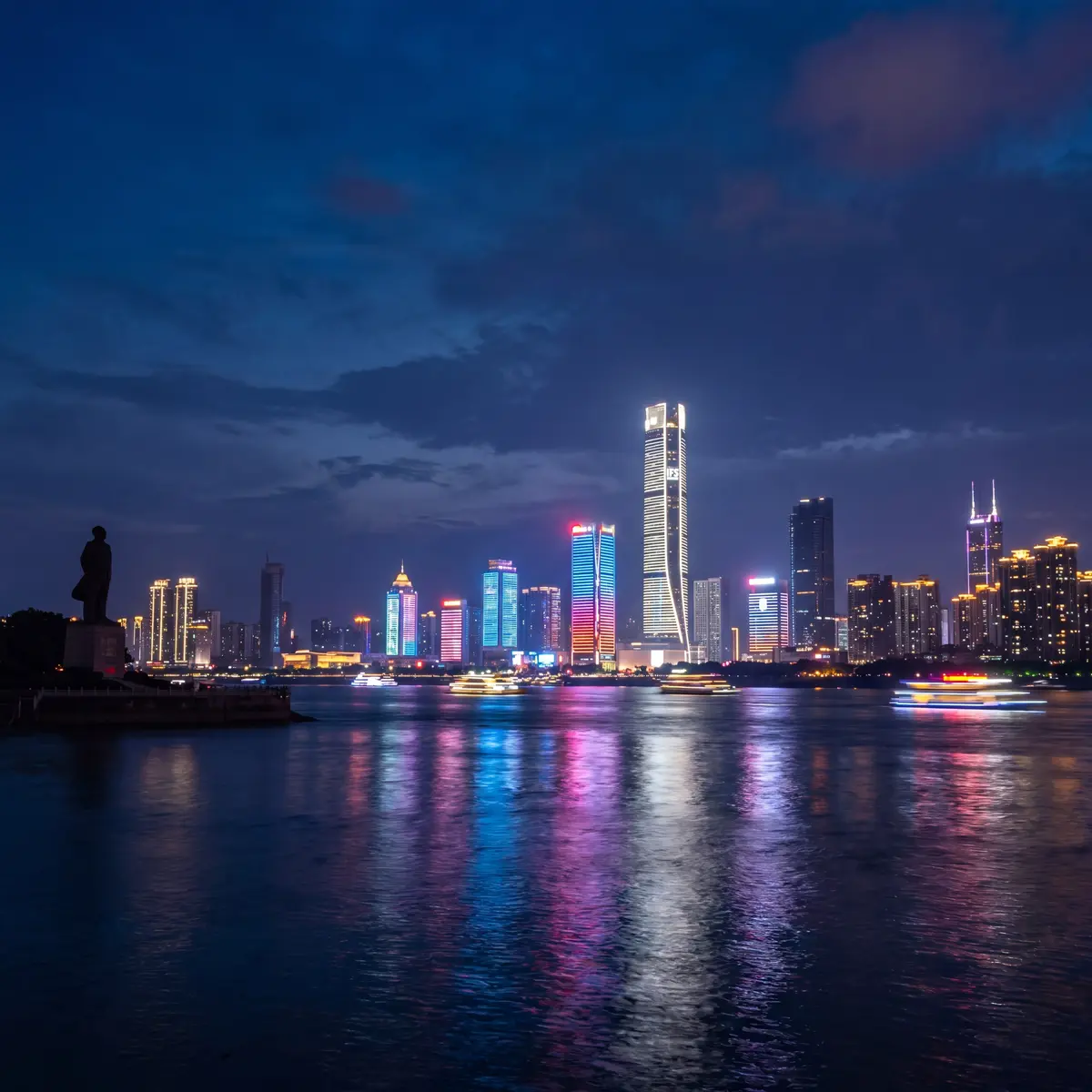
Shaoshan: The Red Heart of China
Visit Shaoshan, the birthplace of Mao Zedong. A place of profound historical and political significance to the Chinese people.
Contact Me
Want a clearer trip plan from a real local perspective?
Reach out when you want local, honest, and practical help choosing cities, fixing pacing, checking transport, or avoiding common first-time mistakes.
For privacy, contact details stay behind the buttons and are never shown as public text on the site.
The Village that Changed the World
Shaoshan is a small village nestled in the green hills of central Hunan. To most of the world, it's just a dot on the map, but to Chinese people, it's a sacred place. This is the birthplace of Mao Zedong, the founding father of modern China. As a local, I've visited Shaoshan many times, and each time I'm struck by the contrast between the quiet pastoral beauty and the heavy history that began here. Whether or not you're interested in politics, visiting Shaoshan is vital to understanding 20th-century Chinese history and the character of Hunanese. We are deeply proud of our revolutionary traditions, and Shaoshan is at the heart of that pride. The village is peaceful and green, contrasting sharply with the epoch-making events triggered here. This is a place for reflecting on change and the power of ideas. As a blogger, I suggest you not just look at the buildings, but feel the aura. You'll see thousands of people coming here with a pious heart; this weight of collective memory is extremely rare. You'll find that every inch of land here is full of stories. Walk by those rice fields, see those hardworking farmers, and you'll understand where this vitality comes from. Shaoshan isn't just a memorial; it's a living community. This interweaving of history and reality makes its meaning exceed mere tourism. This is an exploration of roots, giving you a deeper understanding of modern China.
The Mao Family Home
The core attraction is the Former Residence of Mao Zedong. It's a traditional mud-brick house with a thatched roof, surrounded by lotus ponds and rice fields. Walking through the small, dark rooms where he grew up, you can feel the humble beginnings of a man who eventually led a billion people. The nearby museum is also superb, detailing his life and revolutionary movements. Even if you don't understand Chinese, those relics—old uniforms, manuscripts, simple furniture—all tell a powerful story of sacrifice and determination. It's a place with a melancholy beauty, feeling close to the Earth. You can almost feel the past in the quiet rooms and rustling rice fields. As a blogger, I particularly suggest sitting by the lotus pond in front of the residence. The morning sun on the lotus leaves brings a peace that makes you temporarily forget the noise of history. You'll find that this minimalist lifestyle actually contains immense spiritual power. Look at those ancient farm tools, imagine life a century ago. You'll have a heartfelt admiration for the people of that era. This isn't just visiting a residence; it's a return to the original heart. In busy modern life, this simple state of connecting with the Earth is actually what we lack most. Bring a quiet heart and listen to the whispers of those ancient brick walls.
The "Red Tourism" Experience
Visiting Shaoshan is a unique cultural experience. You'll see thousands of people—from veterans in uniform to students with red scarves. The atmosphere is solemn yet vibrant. A massive bronze statue stands in "Mao Zedong Square," where people offer flowers and take family photos. This is a window into the "Red Tourism" phenomenon, a key part of modern Chinese life. For locals, returning to Shaoshan is finding roots. It's a place of reflection, national memory, and deep emotional connection. Here, the story of modern China feels most personal and real. Even the air seems filled with a sense of mission. As a blogger, I suggest observing those offering flowers. You'll see people of different ages and backgrounds all looking for some resonance. This purity of emotion is extremely moving. You can try participating in a swearing-in ceremony on the square, or just stand in the crowd to feel the passionate atmosphere. You'll find that red culture here isn't an abstract concept; it's concrete life. Go talk to those veterans, listen to their stories. This living history education is deeper than any textbook. Shaoshan, it's a place that synchronizes your heartbeat with the nation's pulse. This journey will leave you with a different kind of cultural pride.
Mao's Braised Pork: The Ultimate Taste
You can't leave Shaoshan without eating "Mao's Braised Pork" (Mao Shi Hong Shao Rou). This was his favorite dish, and the Shaoshan version is considered the most authentic. It's fatty but not greasy, bright red in color, savory with a hint of sweetness and slight spiciness. Every restaurant in the village has this dish, and every family has its own secret recipe. Eating this dish in the hometown is almost a ritual. It's the taste of revolution. Paired with local wild vegetables and a big bowl of rice, you'll understand why it's the ultimate comfort food. It's thick, honest, and satisfying—just like the Hunan spirit itself. This is a meal that will stay in your memory, just like the village's history. As a blogger, I strongly suggest going to those small restaurants run by locals. Watching that bowl of bright red meat served, you'll instantly have a great appetite. This taste is highly impactful, just like the character of Hunanese. Every bite gives a solid satisfaction from the land. This isn't just food; it's an expression of life attitude: no matter how hard it is, eat big pieces of meat and be full of hope for the future. In Shaoshan, food is inseparable from history and culture. When you leave, you take not just memories, but this spicy and thick passion for life. This is Shaoshan's most substantial gift to every visitor.
Keep Planning From Here
A few next reads that fit this page and help you shape the trip more clearly.
Changsha City Guide
Hey, I'm a born-and-bred Hunan girl! Let me take you into Changsha, the provincial capital famous for its spicy food and legendary nightlife. Experience the most authentic 'vibe' here.
Read nextHunan Spirit Depth Trip
To understand Hunan, you have to understand our history. This is the cradle of scholars and the spark of revolution. From thousand-year academies to Han Dynasty treasures, I’ll take you deep into the 'Xiang-Chu' culture and the spirit that never goes out.
Read nextPlan With A Local
Need help turning all this research into a real itinerary?
Tell me your dates, budget, pace, or must-see places. I can help you narrow routes, avoid weak choices, and build a more confident plan.
For privacy, contact details stay behind the buttons and are never shown as public text on the site.
Practical Information
- TransportAbout 1.5 to 2 hours from Changsha by car or bus. There's also a high-speed rail station (Shaoshan South).
- Must SeeFormer Residence of Mao Zedong and the Memorial Hall. Remember to book tickets in advance!
- EtiquetteThe atmosphere is very solemn. Please dress appropriately and respect the serious vibe.
- Contact Me
Need help with this part of the trip? Use the private WhatsApp or Email buttons on this page for a personal reply.
Need local help with this page?
Ask for route advice, timing suggestions, or a quick sanity check before you book.
For privacy, contact details stay behind the buttons and are never shown as public text on the site.