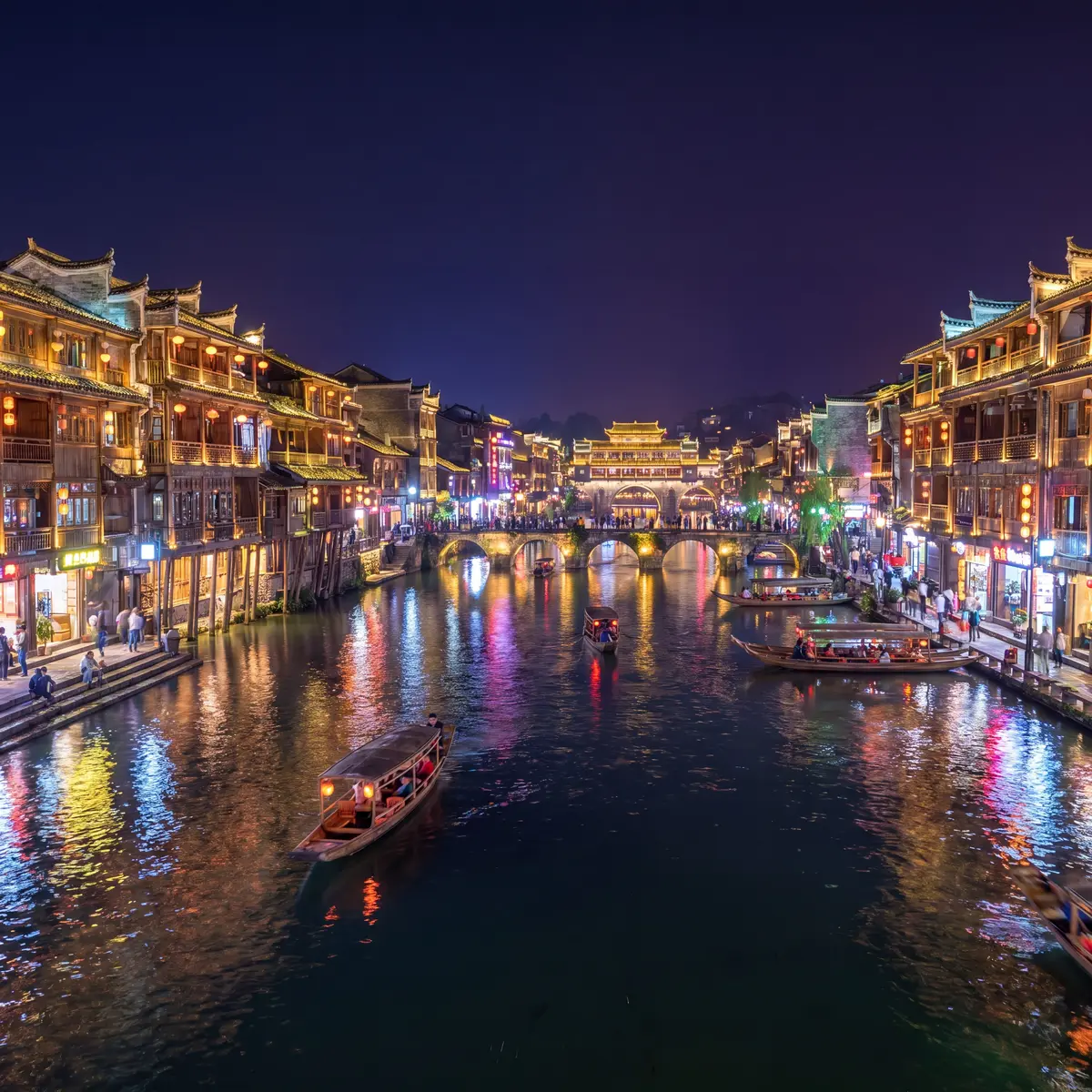
Hongjiang Ancient Commercial Town: The Wall Street of Old China
Travel through time in Hongjiang, Huaihua. Explore China's best-preserved ancient commercial hub and learn about its glorious merchant history.
Contact Me
Want a clearer trip plan from a real local perspective?
Reach out when you want local, honest, and practical help choosing cities, fixing pacing, checking transport, or avoiding common first-time mistakes.
For privacy, contact details stay behind the buttons and are never shown as public text on the site.
Forgotten Prosperity
Hongjiang is unlike any other ancient town in Hunan. If Fenghuang is about ethnic culture and Furong Town is about natural beauty, then Hongjiang is about *money*. Located at the junction of the Yuan and Wu Rivers, it was the most important commercial hub in Central China for centuries. It was the "Wall Street" of the Ming and Qing Dynasties, the center of trade for opium, tung oil, and timber. As a local, I find Hongjiang fascinating because it's so perfectly preserved. It's not a "reconstructed" tourist town; it's a real place where you can still see grand mansions, old banks, brothels, and warehouses. It's an unvarnished look at the wealth and decay of old China. Walking through those high-walled alleys is like walking through a museum of ambition and trade. The stories of wealth gained and lost seem to still linger in the air. It asks for your attention to architectural detail and the cracks in history. As a blogger, I'm particularly obsessed with this high-tension sense of history. You'll see those tall firewalls, barriers built to protect wealth, yet also acting like silent monuments. Here, you can see both the extreme caution and extreme risk-taking of traditional Chinese merchants. Look at those remaining signs, read those mottled couplets. You'll find every brick soaked with commercial shrewdness and the ways of the world. This journey will give you a completely different perception of traditional Chinese society. This isn't just looking at an old town; it's looking at a forgotten, magnificent history of capital.
A Maze of Wealth
The town is a dense maze of narrow, high-walled alleys. The architecture is unique—those massive, grey-brick "Firewalls" were designed to protect merchants' wealth from fire and thieves. Walking in the alleys, you can feel the past ambitions and secrets. Every mansion has its own story—the families who made and lost fortunes, the secret deals, and the complex social hierarchy of the merchant class. I strongly suggest hiring a local guide; the history is so deep that if you just wander around, you'll miss 90% of the meaning. The high walls were for protection, but also created a sense of mystery. Behind every door hides a courtyard, each telling a merchant's life. As a blogger, I suggest focusing on those exquisite stone and wood carvings. Even in the most inconspicuous corners, you can find that low-key luxury. This extreme pursuit of detail was the identity symbol of old Chinese merchants. You'll see those courtyard drainage systems designed so cleverly, embodying the ancient philosophy of "keeping wealth within the family." The sense of space here is very peculiar; narrow alleys and high walls create an oppressive yet secure feeling. This contradictory psychological state was the true portrayal of merchants of that era. Sit in those old-brand shops, listen to those myths about "Hong Oil." You'll find Hongjiang's stories more exciting than any movie. This maze journey is a test for both your eyes and mind.
"Merchant Spirit": A Different Hunan
Hongjiang shows another side of the Hunanese character. We are usually known as farmers and soldiers, but Hongjiang proves we were also talented (and sometimes ruthless) merchants. The motto of the ancient commercial town is "To suffer a loss is a blessing" and "Harmony brings wealth." You can see this in the grand guildhalls established here by merchant associations from across the country, each with its own provincial style. It was a cosmopolitan, vibrant, and extremely wealthy place. For culture lovers, Hongjiang is a gold mine. It's a superb place for understanding the economic history of Southern China and the social structure of the Ming and Qing Dynasties. Here, the "Hunan Spirit" shows its practical and commercial side. It reminds us that our history is as complex as the winding alleys of the old town. As a blogger, I particularly love exploring that "Confucian Merchant" culture. You'll find these merchants highly valued education and family tradition while accumulating wealth. Look at those opera stages in the guildhalls, imagine that grand scene of high guests and clinking glasses. Although this prosperity has faded, that respect for rules and obsession with credit remains in these ancient walls. This afterglow of commercial civilization still has profound significance today. Hongjiang isn't a poor, backward old village; it was a commercial landmark once ahead of its time. Here, you'll learn what true "business sense" is, and that vision rooted in the land yet looking towards the world.
The Town Without Crowds
Because Huaihua is located in the west, Hongjiang doesn't have the overwhelming crowds of Fenghuang. You can often have an alley or a mansion to yourself. The pace of life here is very slow, and locals are very friendly. They're proud of their history and happy to talk about it. At night, the town is quiet and atmospheric, with lanterns reflected in the river. It's a destination for history buffs, photographers, and anyone who wants a glimpse of truly "frozen time." It's our best-kept secret. Staying in a local guesthouse in the old city is an immersive experience. You'll wake up to the sounds of the town waking up, just as people have done for centuries. That's a memory that stays with you. As a blogger, I strongly suggest staying two days in Hongjiang. Wander through that vibrant old vegetable market, talk to the masters repairing antique furniture. You'll find Hongjiang isn't a tourist performance; it's a truly living community. This raw feeling not polished by over-commercialization is its most precious part. At night, when all the lanterns light up, that illusion of traveling through time will make you instantly dream. You'll understand that some things can only be seen most clearly in silence. Hongjiang, it's a generous gift from Hunan for those who truly understand history and life. Bring a curiosity and a respect to start this wealth journey of old China.
Keep Planning From Here
A few next reads that fit this page and help you shape the trip more clearly.
Hunan History & Spirit
To understand Hunan, you have to understand our history. This is the cradle of scholars and the spark of revolution. From thousand-year academies to Han Dynasty treasures, I’ll take you deep into the 'Xiang-Chu' culture and the spirit that never goes out.
Read nextFenghuang Ancient Town Guide
Discover the beauty of Fenghuang. I'll show you how to avoid the noisy bars and truly experience the magical Miao culture and tranquility.
Read nextPlan With A Local
Need help turning all this research into a real itinerary?
Tell me your dates, budget, pace, or must-see places. I can help you narrow routes, avoid weak choices, and build a more confident plan.
For privacy, contact details stay behind the buttons and are never shown as public text on the site.
Practical Information
- TransportTake the high-speed rail to Huaihua South Station, then transfer to a bus or taxi (about 1.5 hours) to reach Hongjiang.
- Must DoHire a local guide to tell stories in the mansions. Merchant culture is the soul here.
- AccommodationThere are several boutique guesthouses in the old city that provide a true historical experience.
- Contact Me
Need help with this part of the trip? Use the private WhatsApp or Email buttons on this page for a personal reply.
Need local help with this page?
Ask for route advice, timing suggestions, or a quick sanity check before you book.
For privacy, contact details stay behind the buttons and are never shown as public text on the site.